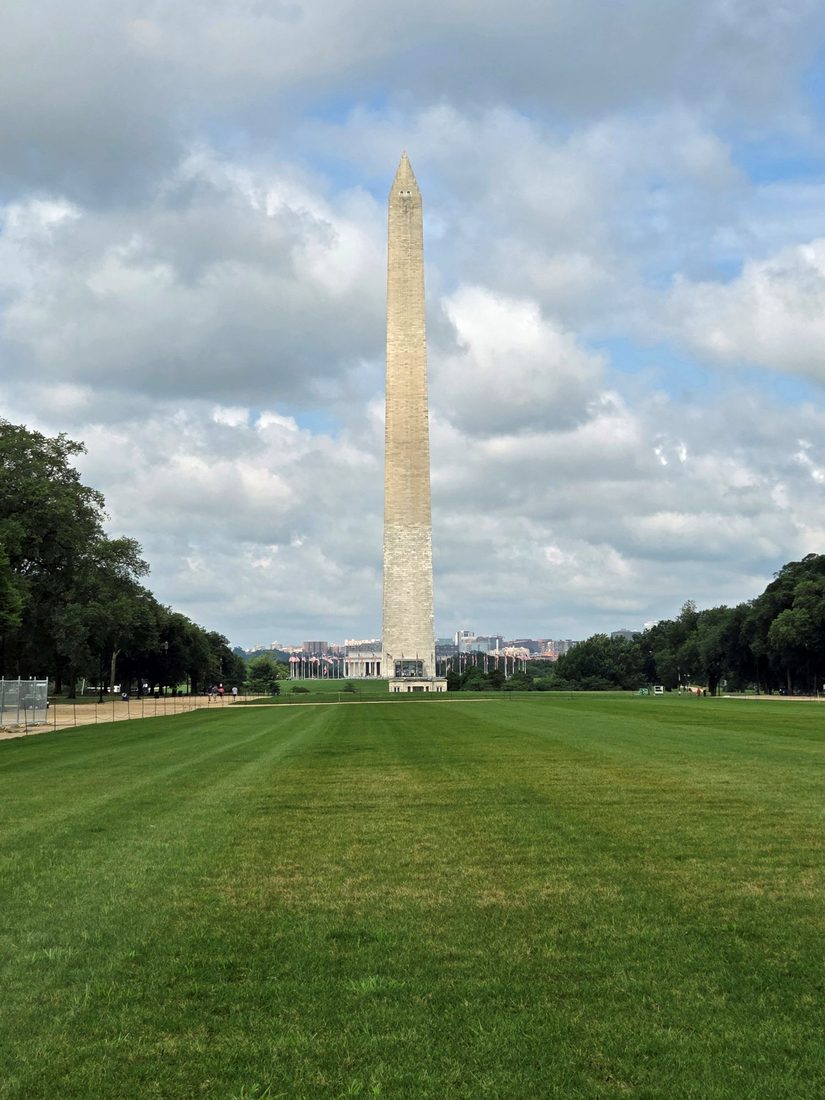
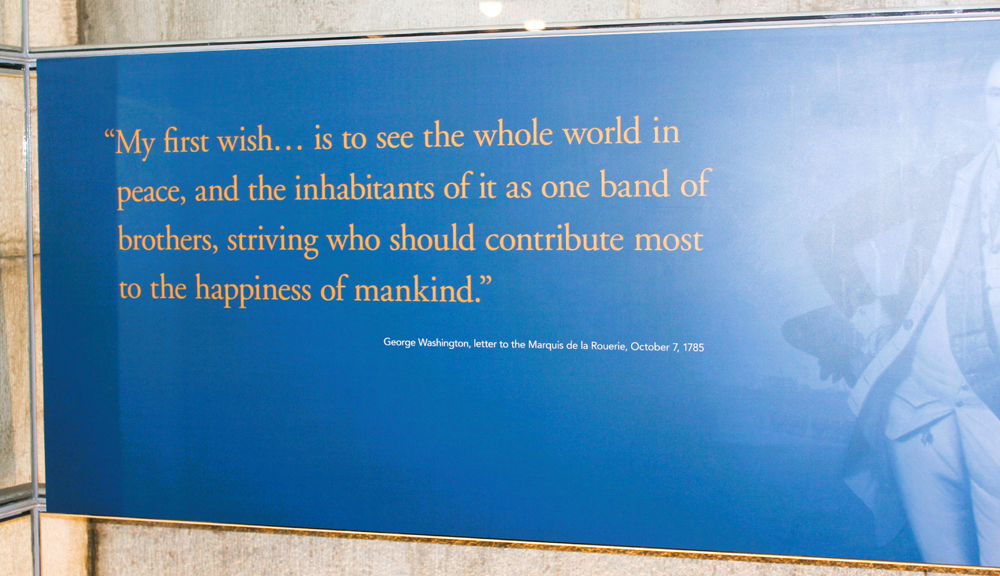
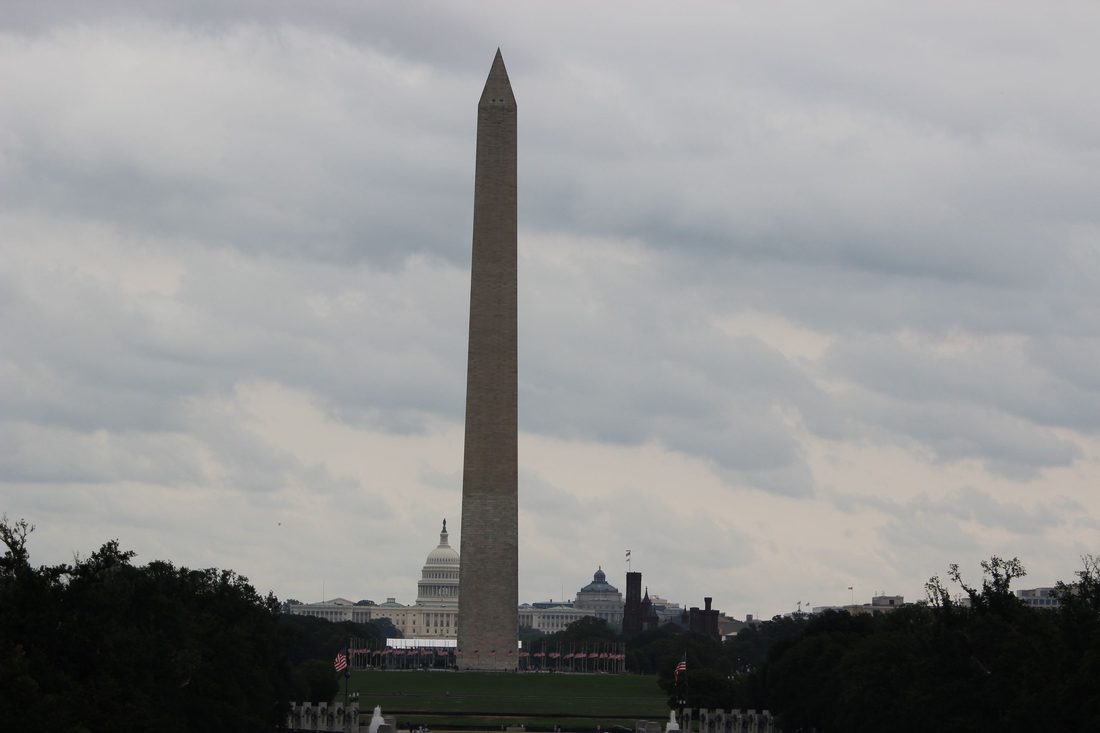
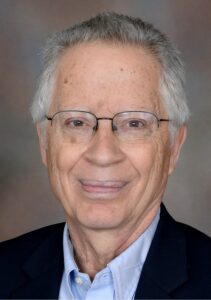
Ernest Gehman probably never voted and stayed out of politics, but in the 1960s, he threw himself into opposing a proposed Brocks Gap Dam. His many speeches, letters in the newspaper, his 18-page publication, and his trip to Washington to speak against the dam in front of the Army’s Board of Engineers for Rivers and Harbors all seemed political.
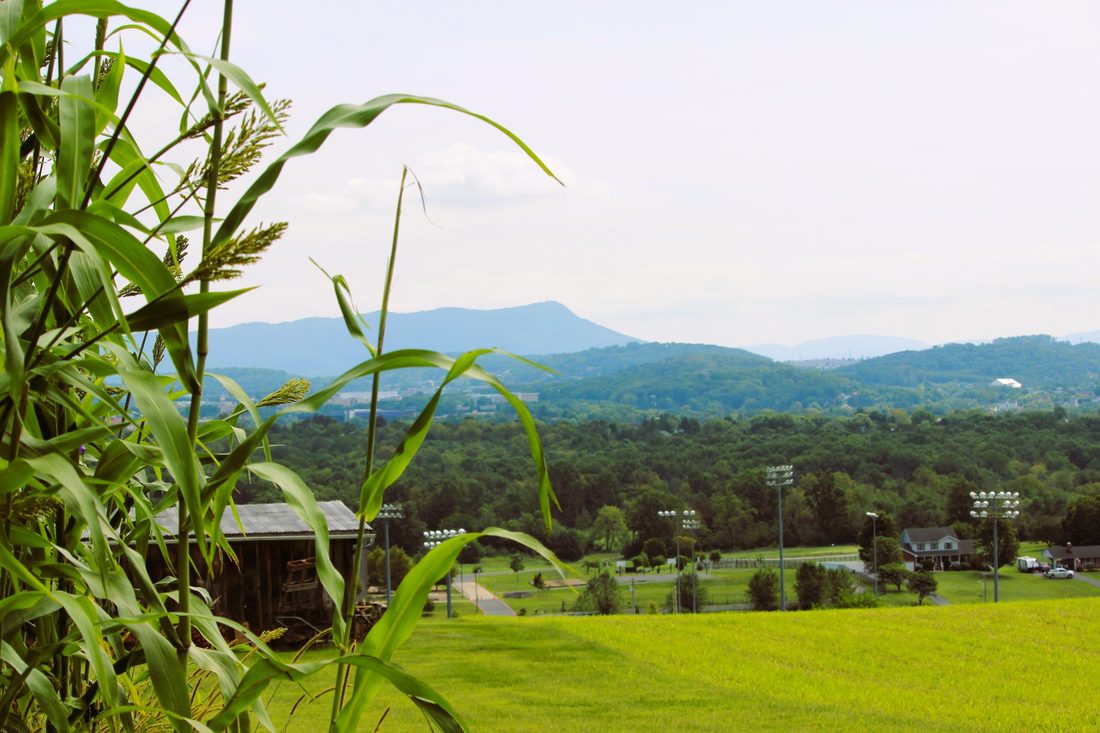
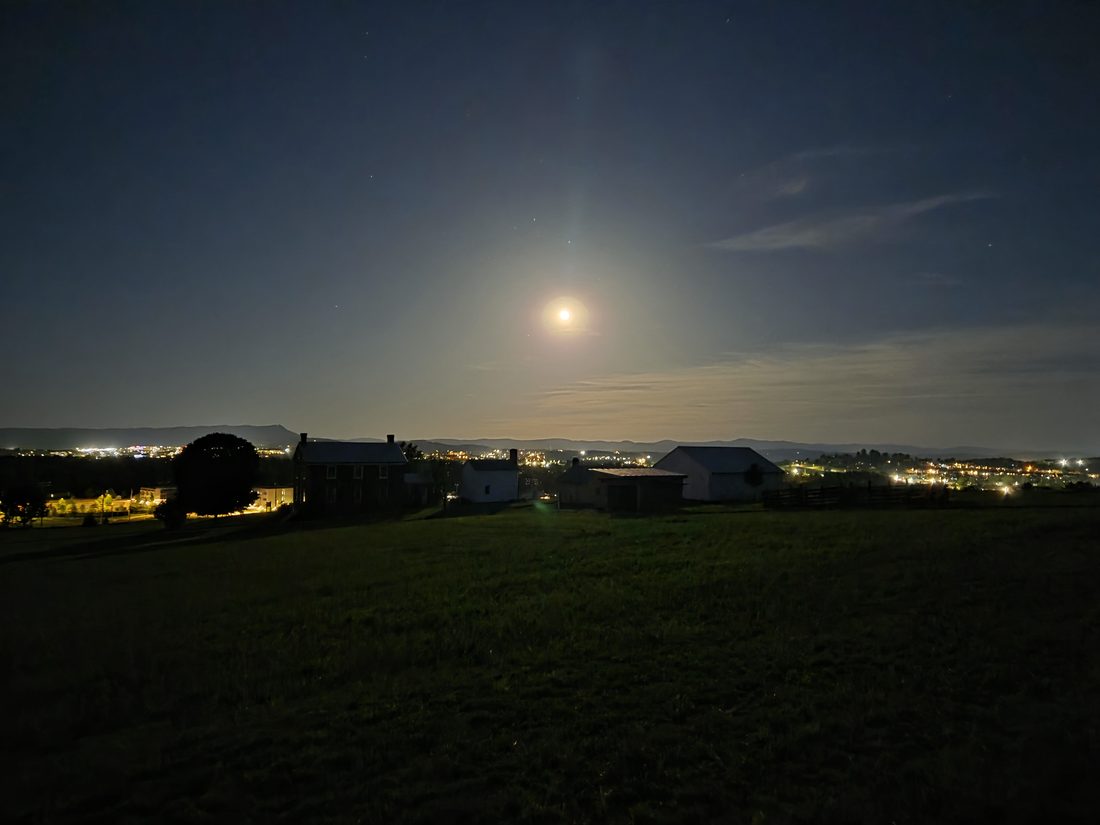
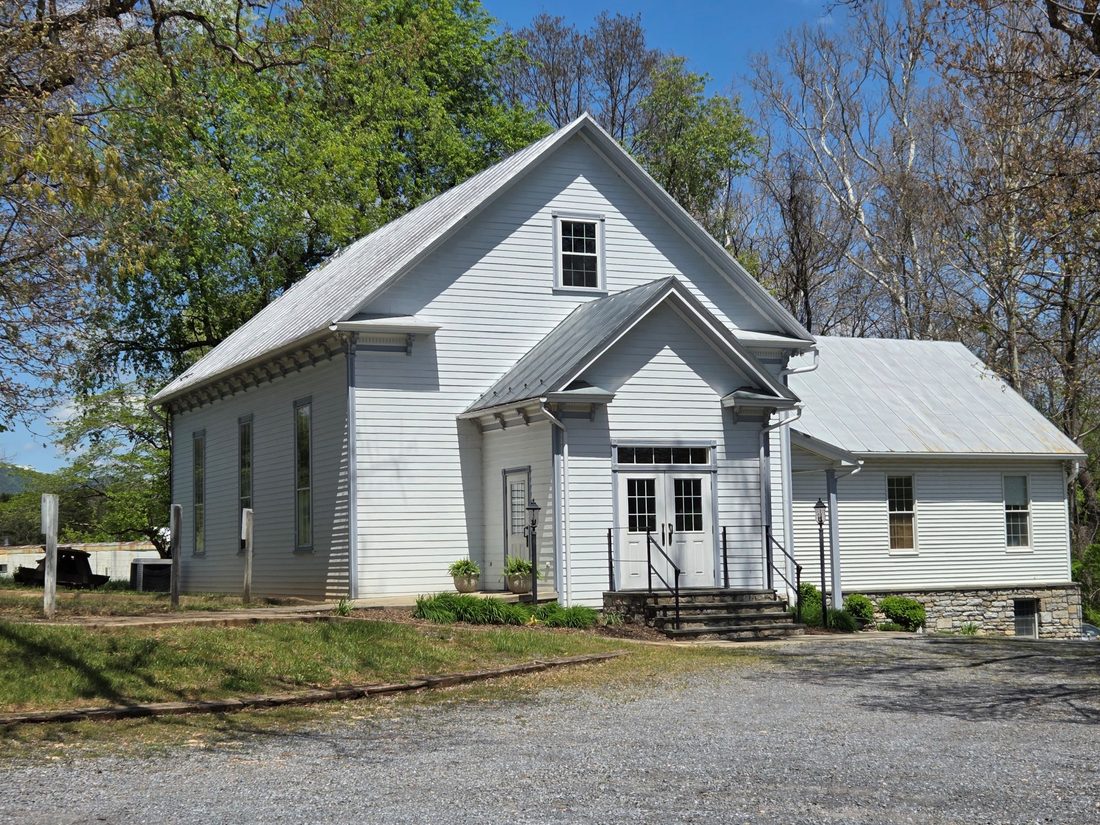
Gehman (1901-1988) led the charge to stop a dam that would have flooded about 4000 acres and reconfigured the geography of northwestern Rockingham County, Va. Seven church buildings would have been submerged, along with a well-liked Turner Ham store, the Fulks Run Elementary School, dozens of farms, and an entire community of around 300 families. Gehman, an English and German professor at nearby Eastern Mennonite University, launched into a full-scale attempt to block the U.S. Army Corps of Engineers, sort of like David against Goliath.
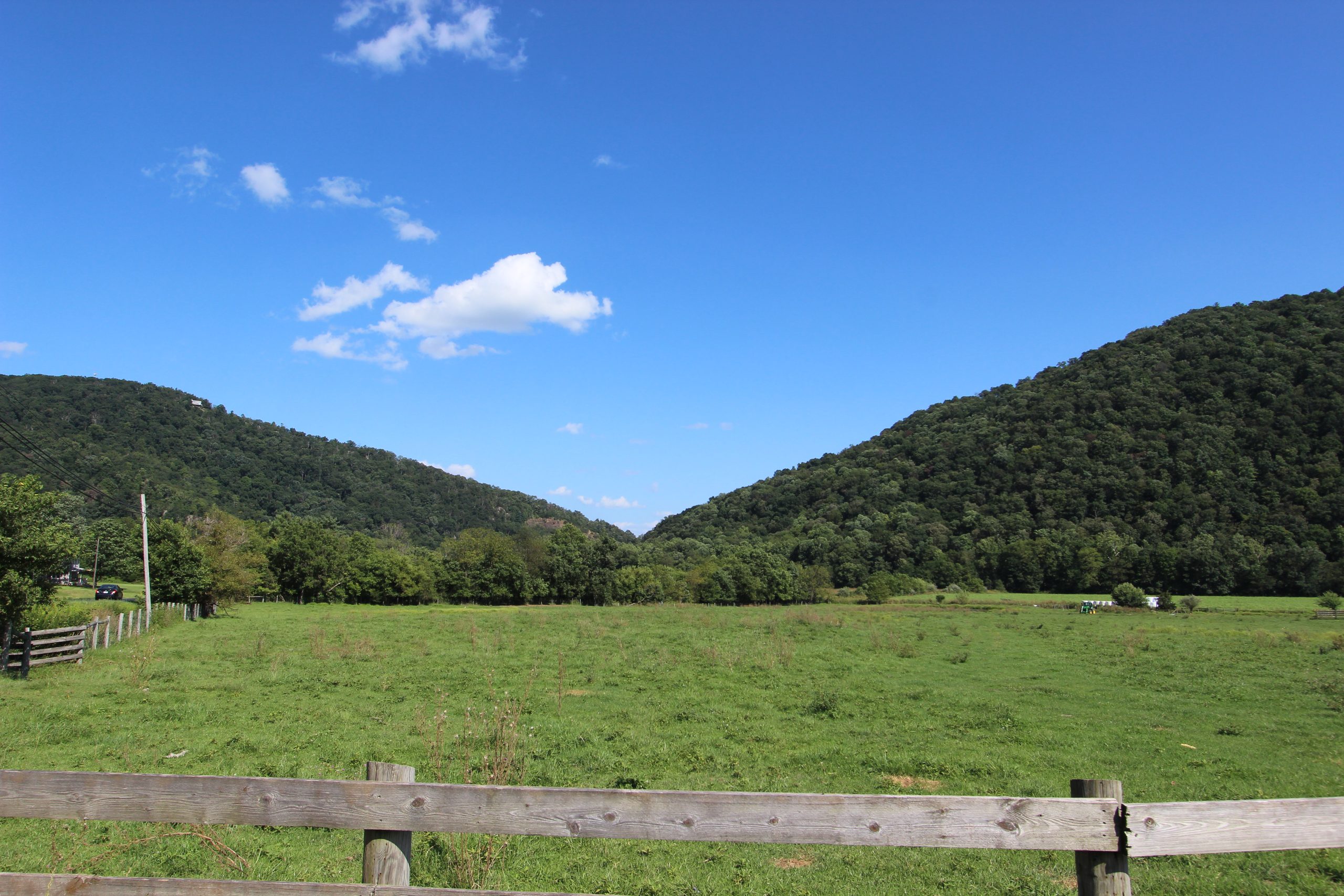
Gehman knew the best way to block the “flooding” plan was to suggest an alternative; his counterproposal involved building smaller dams along the entire length of the Shenandoah River. Gehman proposed “channel dams” every five to 10 miles along the Shenandoah River, keeping the water no higher than flood stage and essentially turning the Shenandoah into a series of long, narrow lakes. Gehman had learned this river technology while studying in Germany.
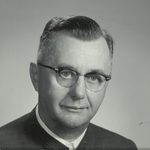
The college professor and Mennonite minister communicated with legislators in his area but also in Washington, D.C. Lady Bird Johnson, President Lyndon Johnson’s wife, read his publication and wrote Gehman a letter expressing her support. By the mid-1960s, because of strong resistance in the Fulks Run community and Gehman’s relentless opposition, the Army Corps of Engineers dropped the project. Gehman returned to teaching, preaching, and working again in the Fulks Run community. Gehman had slain Goliath.
Sources:
Jenner, Andrew. “”Gehman vs. Goliath: ‘No’ to Flooding Part of the Valley for a Dam – Crossroads Magazine – Eastern Mennonite University.” https://emu.edu/now/crossroads/2014/05/02/gehman-vs-goliath-no-to-flooding-part-of-the-valley-for-a-dam/.
Jenner, Andrew. “Gehman vs. Goliath: ‘No’ to Flooding Part of the Valley for a Dam.” Shenandoah Mennonite Historian 34, no. 4 (September 21, 2026): 2–6.