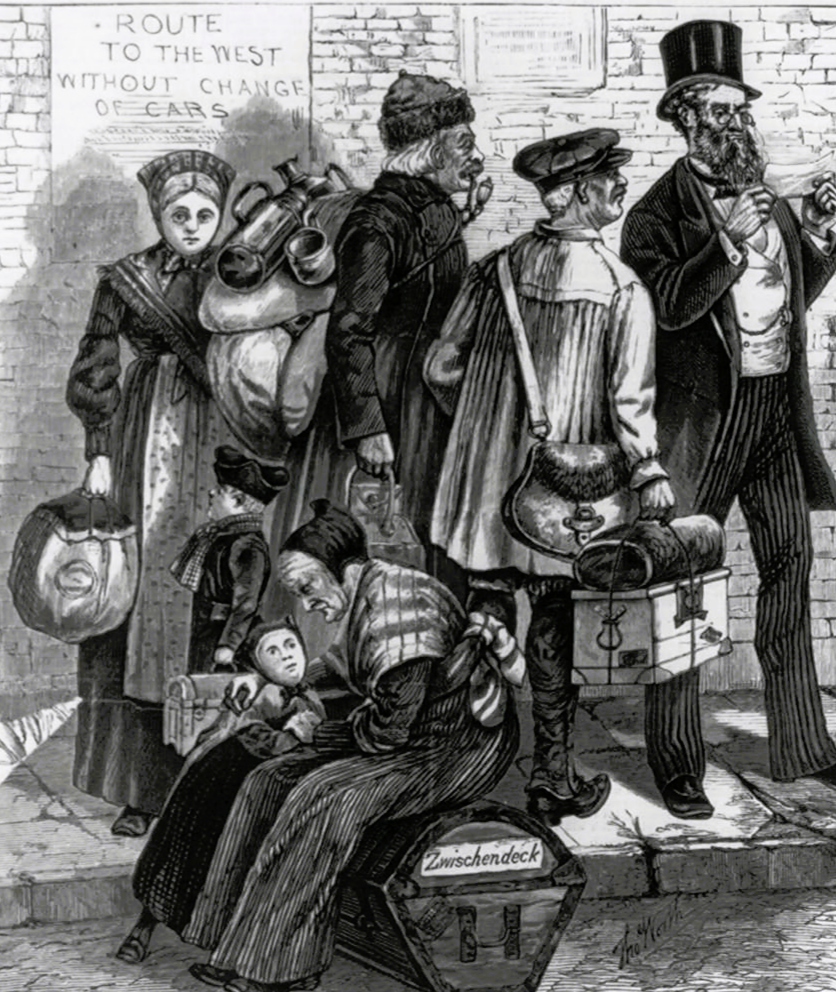
Beginning in 1874, over 1,200 families from Ukraine sailed across the Atlantic Ocean to New York and traveled by train to Kansas, Oklahoma, and Nebraska. Russian Tsar Alexander II had revoked some religious freedoms for thousands of Mennonites and required military service. So, the families, whose ancestors had migrated for religious freedom from the Netherlands to Prussia and then to Russia, picked up and moved again, this time to the U.S. and Canada.
Because so many families moved at about the same time, farm prices were depressed when they sold, and the farmers arrived in New York with little money. In the better angels of their nature, hundreds of Mennonites in the United States gave money to help pay ship crossing fares and to help them buy land in the American Midwest.
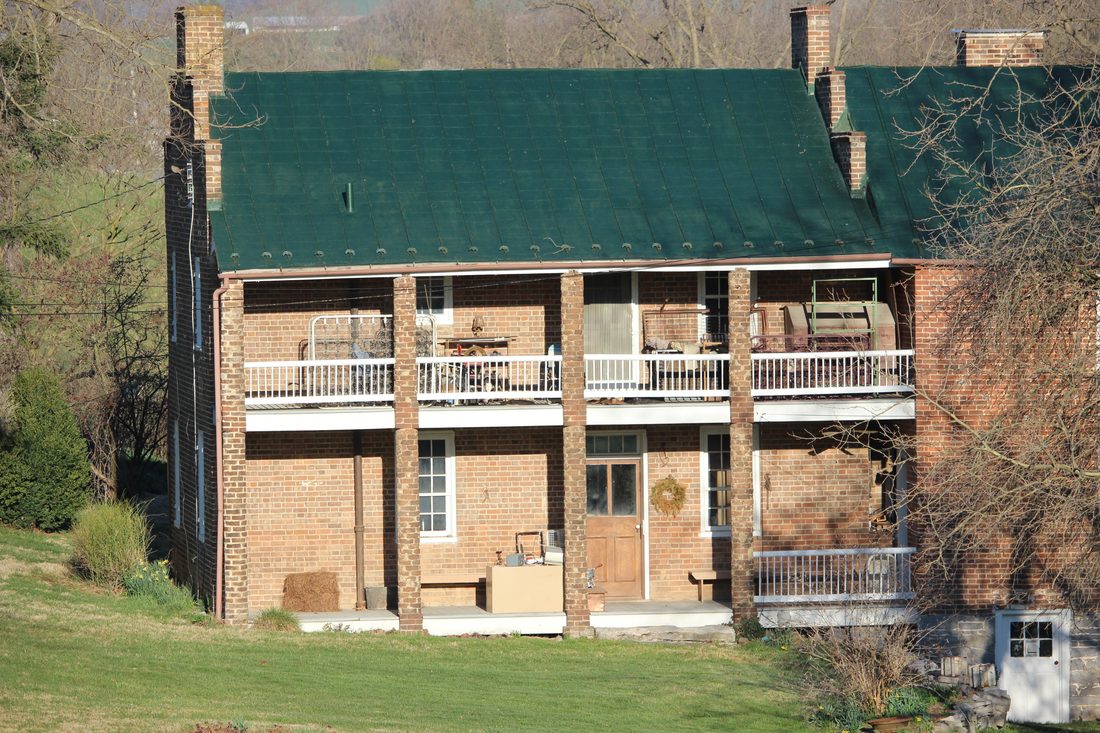
I was startled recently by how deep some families in the Shenandoah Valley of Virginia dug to help pay ship crossing fares and enable farm families from Russia who spoke no English to buy land. In 1874, four small Mennonite congregations just north of Harrisonburg, Va., raised $195 to help pay ship passage fees and offered $245 in loans to help two families buy land in Kansas and Oklahoma. The immigrant family names were Unruh and Schmidt.
Earlier this year, I reviewed a folder of previously unanalyzed primary source material from Jacob Geil, a Mennonite deacon, who kept good records. The financial notes that Geil issued to Mennonites from Russia were for seven years. The correspondence includes letters that Geil wrote to Unruh and Schmidt seven years later, inquiring about repayment. I figured that about two dozen farm families in the Shenandoah Valley, in the four small congregations, collected over $12,000 in today’s money to help.
Money given and loans made to immigrants in the 1870s, combined with the economic incentives offered by the Santa Fe Railroad Company, helped them prosper and flourish. The settlers repaid the loans from Mennonites whom they did not know, making Kansas a breadbasket for the world.
In October 2024, I took two grandsons, ages 5 and 8, to visit a heritage museum in Goessel, Kansas, one of the centers where Russian immigrants settled 150 years ago. We learned history, sat on old farm machinery, learned about wheat threshing stones, and had fun.
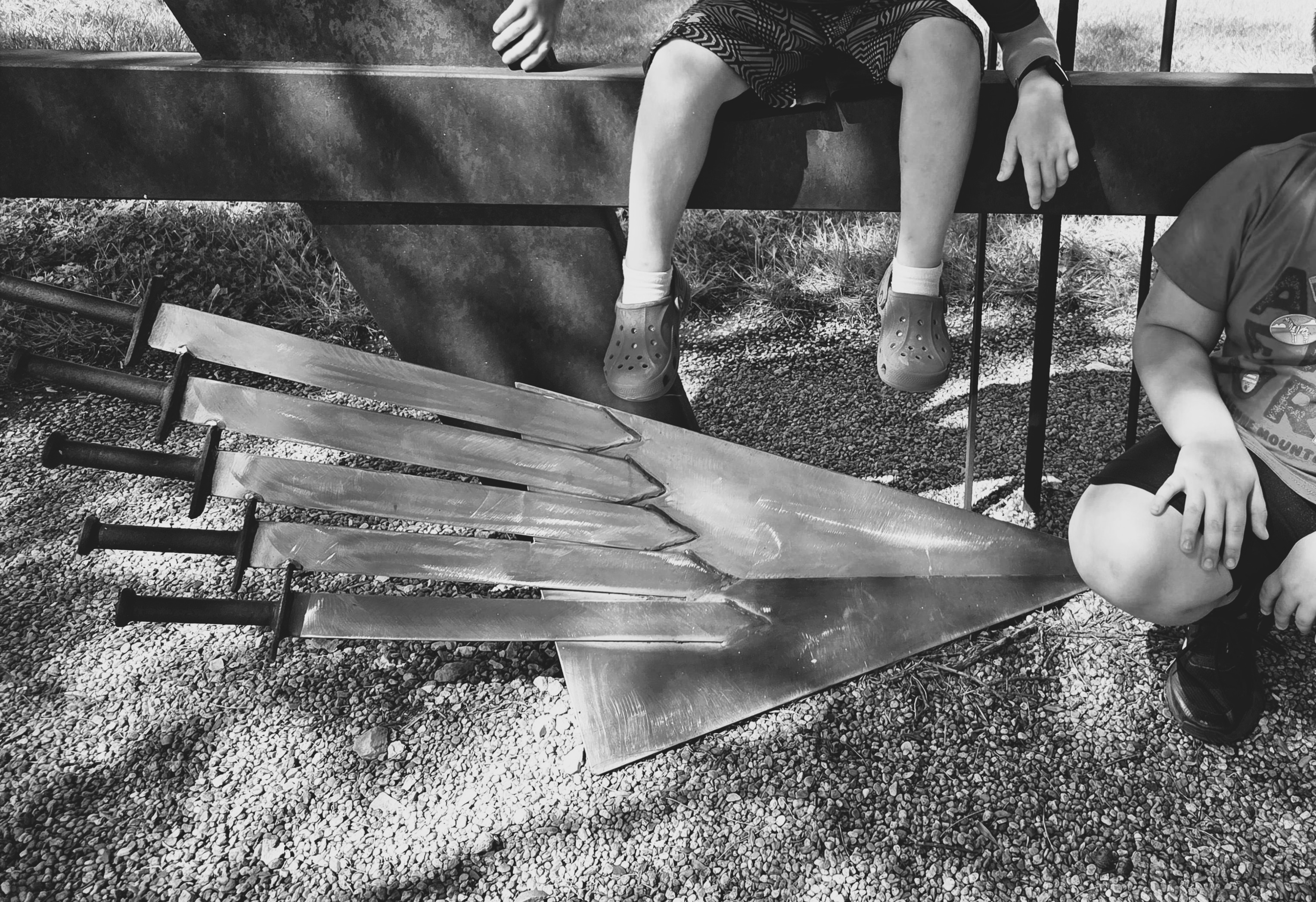
We paused to examine and talk about a swords-into-plowshares outdoor metal sculpture created to mark the centennial in 1974 of the first wave of Mennonite arrivals from Ukraine. These immigrant farm families believed in the way of peace and nonviolence. To the credit of President Ulysses S. Grant and Canadian Prime Minister John A. Macdonald, who welcomed immigrants, the Mennonites turned the ground with plowshares and grew acres of wheat. Many of their descendants rejected violence when Uncle Sam went to war.
My wife and I have six grandchildren who live in eastern Kansas. They are growing up where thousands of Russian immigrants settled and prospered. One lesson I want to help teach them is that the better angels of our nature should embolden those of us who have been here a while to, in turn, assist immigrants and help them get started in their new lives. And we may need to dig deep.