Religious Freedom: A Distinctive American Virtue

Anna Gerber Yoder, my 7th great-grandmother, lived about 75 miles from where the nation’s founders adopted the Declaration of Independence in 1776. Anna lived on a 160-acre farm in Berks County, Pennsylvania. Age 70 when the Revolution began, she lived through the War as a widow. Some of Anna’s adult children moved to a remote region of western Pennsylvania rather than live amid Revolutionary battles and unrest.

When James Madison wrote the Bill of Rights, he had people like Anna Gerber Yoder’s husband and sons in mind. In a first draft of the Second Amendment, Madison wrote that “no person religiously scrupulous of bearing arms shall be compelled to render military service in person.” Madison was well aware of dissenter groups in Virginia who chose not to bear arms for religious reasons. Congress voted against Madison’s bold defense of religious minorities.

Vinca flowers at Brethren & Mennonite Heritage Center, Harrisonburg, Va., June 14, 2026

The Mennonites, Brethren, Amish, Quakers, and other dissenters who would not take up weapons in War found a country that tolerated them while not embracing their convictions. But the Republic that sprang from Revolutionary War victory provided an almost unheard-of environment in which to live one’s religious convictions. Most dissenters have been very grateful.

When Anna Gerber Yoder’s descendants were conscripted to fight in every American War since the Revolutionary War, they sought ways to avoid taking up arms.  

Nearly 250 years after the country’s founding, on May 6, 2026, I attended an annual Shenandoah Valley Prayer Breakfast in Harrisonburg, Virginia. About 400 guests arrived early for breakfast, coffee, conversation, and prayer. We came from all walks of life, occupations, and denominations.

We prayed for business and nonprofits in our community and for our clergy. With several uniformed police in attendance, we prayed for them and first responders. We prayed for the least of these in our region, for our higher education institutions, for the government, and for students in our communities. Another led us in praying for healthcare and counseling professionals, for agricultural workers, and finally for our world.

When a speaker gave a faith testimony at the Prayer Breakfast, held at James Madison University, I looked at the university’s seal above the podium. The school reduced one of Madison’s statements to “Knowledge is Liberty.”
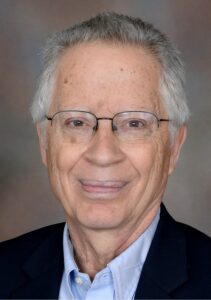
Elwood Yoder

I’d revise the JMU seal by adding a concept: “Knowledge, Liberty, and Grace.” In 1779, when Anna Gerber Yoder endured the Revolutionary War, wondering how it would end, and when James Madison was elected in Virginia to serve in the Continental Congress, John Newton wrote the lyrics to “Amazing Grace.” Newton’s memorable lyrics became the most popular gospel song in American history. Knowledge and liberty are great, but without an understanding of grace amid the fragility of human nature, knowledge and liberty hold little value. I’m very grateful for a U.S. environment that accepts dissenting groups and fosters religious freedom.
Peace be with you

Pope Leo XIV delivered an encouraging message to Mennonites who gathered in Zurich, Switzerland, on May 29, 2025. Upon the 500th anniversary of the beginning of the Anabaptist movement, Pope Leo began his letter with “Peace be with you,” quoting Christ’s words in John 20:19.

From the Aramaic language used among the fearful Jerusalem disciples to the written Greek language of the Apostle John, to the Latin of the medieval Catholic Bible, to the English I can understand, “Peace be with you” undergirds that which is good in civilization, it advances the betterments of human culture, and it enlivens the better angels of our nature.

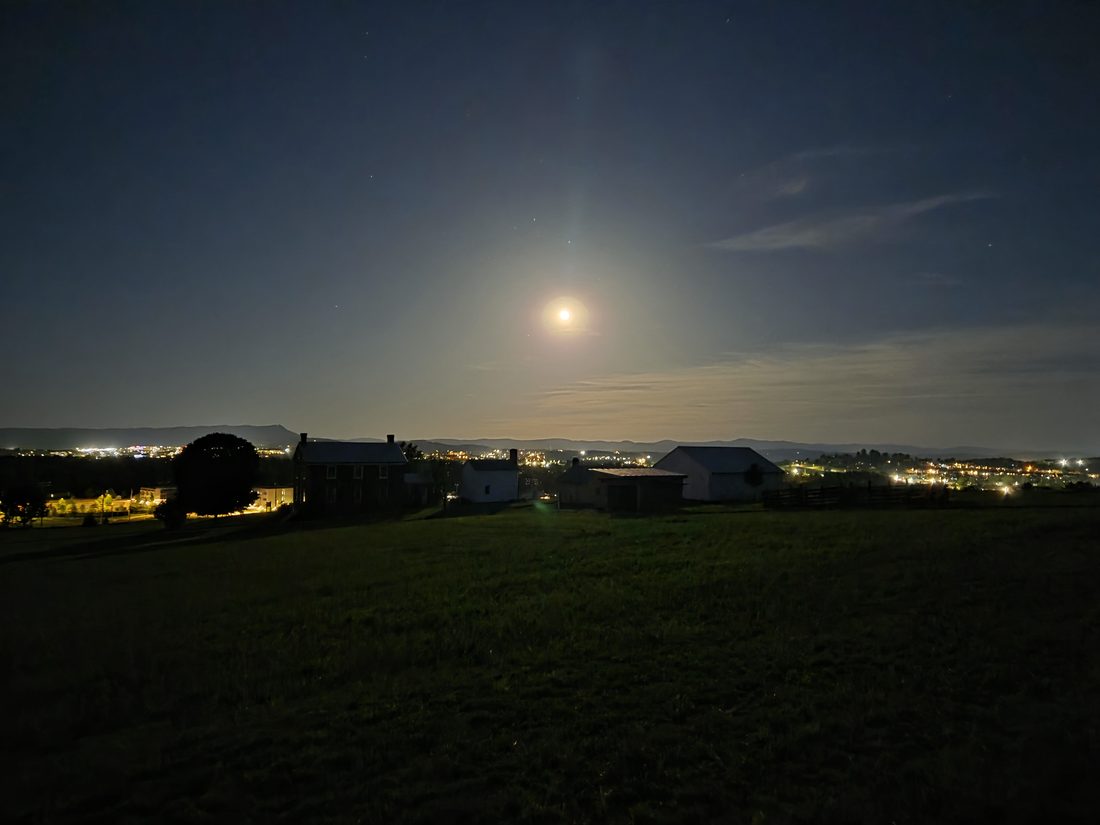
Massanutten Mountain and the city of Harrisonburg, May 30, 2026 (Elwood Yoder photo)

A politician has stated that “We live in a world…that is governed by strength, that is governed by force, that is governed by power. These are the iron laws of the world that have existed since the beginning of time.” I think the advisor misunderstands the way the world works. The laws of cooperation and positive human interactions have propelled technological advances since the beginning of time; the spirit of human ingenuity improves our lives; and the hopes of men and women for a better planet push us to explore, build, and create. Dictators and brutal armies have repeatedly failed with force. In reality, it is the undergirding pillars of peace and human interaction that have led to advances in our world, not the so-called iron laws of force and brute power.

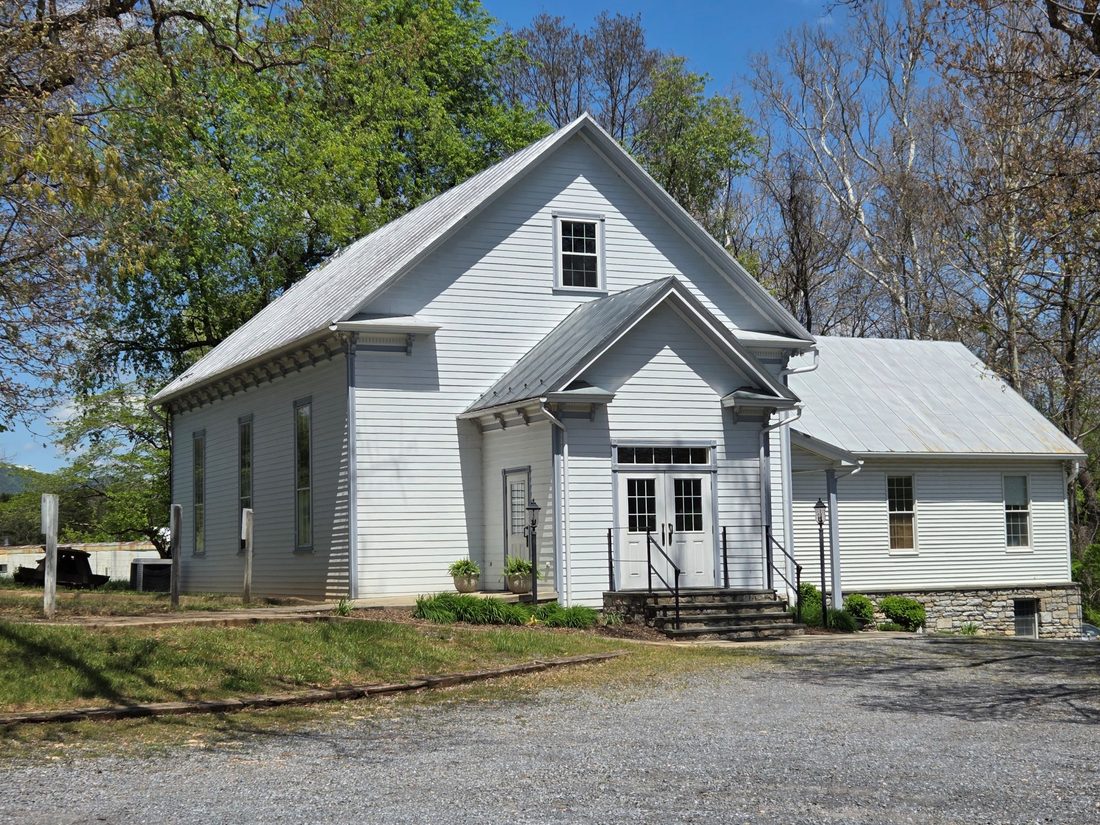
Big Spring Mennonite Church, Luray, Va. (photo by Elwood Yoder)

This spring, I visited a small congregation on two successive Sunday mornings. These folks in Page County, Virginia, are actively serving their community. They assist children at the local school who are food-insecure with weekend backpacks of food, and they volunteer at a Luray humanitarian mission that provides family assistance to community members. When they lit their peace lamp during worship, it moved me deeply, and I can’t quite explain why except that I think my friends have discovered the joy in sharing the Master’s peace with others in their community.

NBC News recently surveyed Americans’ common beliefs and values. They found that as a people, Americans have far more in common than what divides us. In 2026, I’ve given tours at the Brethren & Mennonite Heritage Center, where I work, to folks from Virginia and 10 additional states. I find that wherever people come from, we are much alike; we share similar hopes and are like-minded on many values.

To accept peace as our guiding motif for living enables us to choose life over death and to stand for justice rather than warfare. The simple words “peace be with you,” spoken today, with purpose, hope, and action, can transform our world for good far more than weapons of warfare and destruction.